
Acclimatization
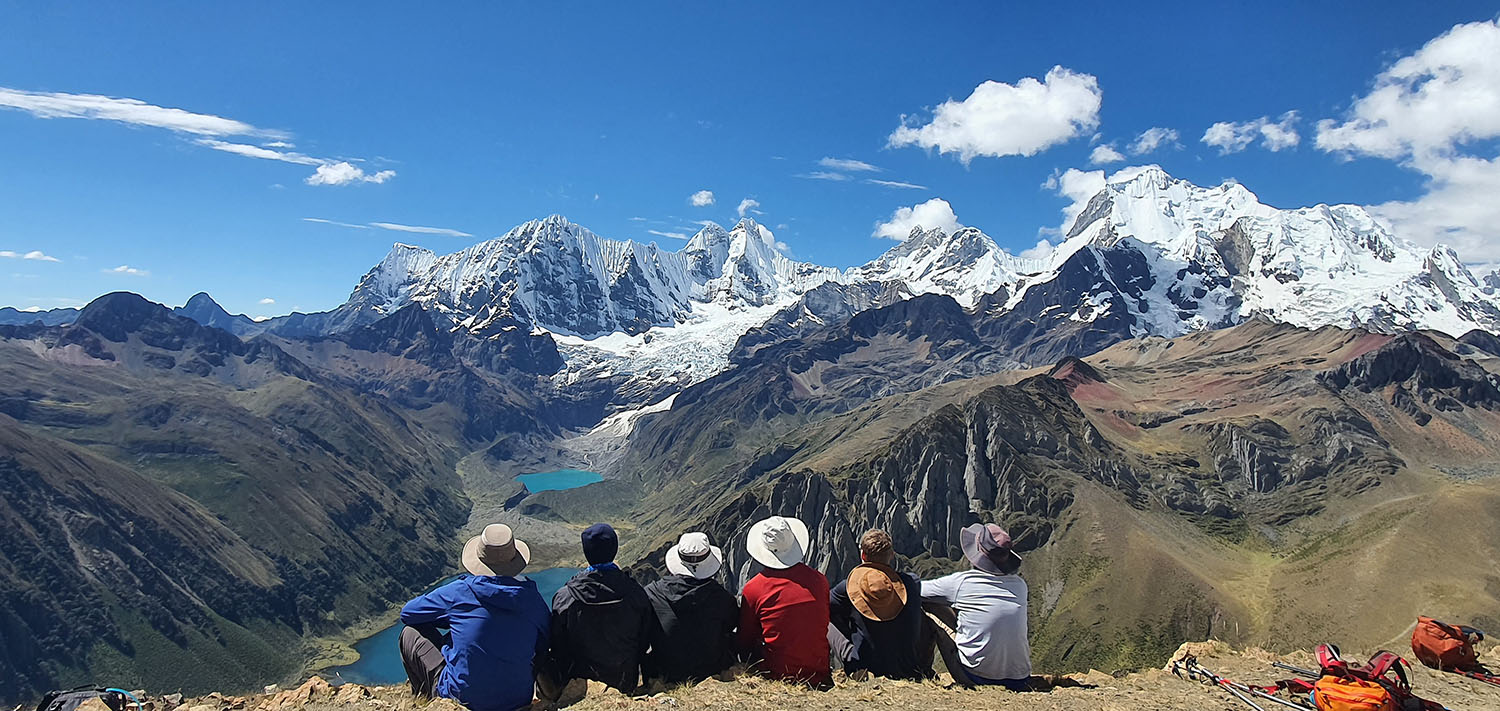
Proper acclimatization is the single most important factor for a safe and enjoyable trekking or climbing experience in the Andes.
Whether your adventure takes you to the Cordillera Blanca, Cordillera Huayhuash, or Cusco, allowing your body enough time to adjust is essential for performance, safety, and overall enjoyment.
Inkaland Treks — as a local operator trusted by international travel agencies — follows the highest standards of altitude preparation for all travelers, both private and group.
Why acclimatization is essential
Altitude affects everyone differently, regardless of age, fitness level, or experience.
Both Huaraz and Cusco sit at high elevation:
- Huaraz: 3,052 m (10,013 ft)
- Cusco: 3,399 m (11,152 ft)
- Most treks reach 4,000–5,000+ m
A proper acclimatization process helps you:
- Prevent altitude sickness
- Improve breathing and sleep
- Increase physical performance
- Reduce fatigue
- Enjoy the trek without discomfort
- Stay safe during steep climbs and high passes
Without proper acclimatization, even strong hikers struggle at altitude.
How many days do you need? (our official recommendation)
We strongly recommend:
✅ A minimum of 2–3 full days of acclimatization before any multi-day trek or climb.
⭐ If you can do 4 days — even better.
This is the standard we follow for all international agency groups we operate.
❗ Never begin a trek or climb the day you arrive in Huaraz or Cusco.
A progressive, step-by-step acclimatization is the safest and most effective method.
The correct acclimatization progression
1) Easy level (gentle acclimatization)
Perfect for your first day at altitude
Examples:
- Wilcacocha (3,700 m)
2) Moderate level (middle acclimatization)
Good for Day 2
Examples:
- Rocotuyoc (4,300 m)
- Llaca Valley (4,400 m)
3) Challenging level (strong acclimatization)
Never on Day 1 — these are only recommended for Day 2 or Day 3 (depending on your condition):
- Laguna 69 (4,600 m)
- Laguna Churup (4,450 m)
- Laguna 513 (4,400+ m)
These challenging hikes prepare you for demanding treks such as:
- Huayhuash (8–10 days)
- Santa Cruz
- Mateo Mountain
- Climbing extensions (Pisco, Vallunaraju)
Attempting these hard hikes too early greatly increases the risk of altitude sickness.

HUARAZ Acclimatization Plan (Recommended)
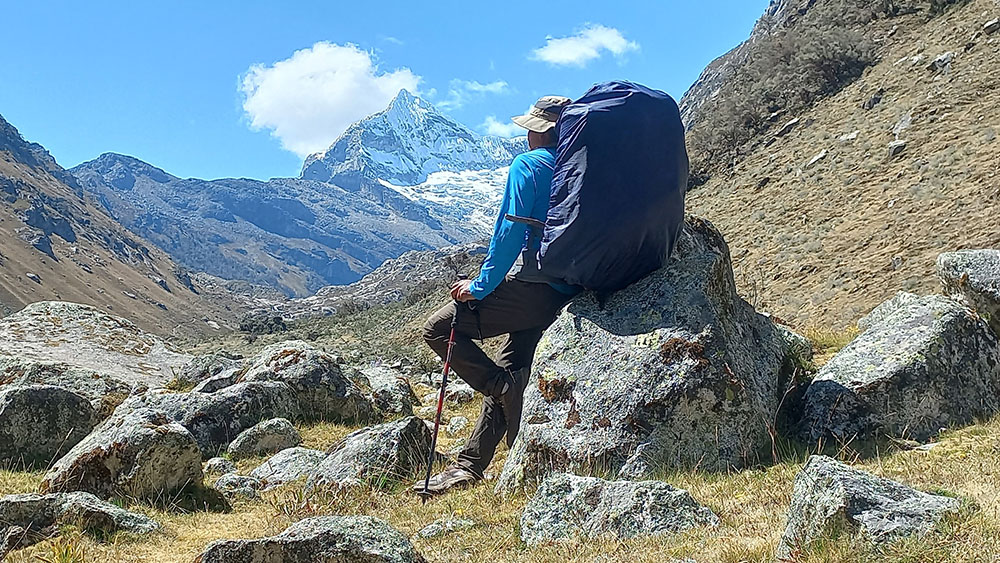
Day 1 — Arrival in Huaraz (3,052 m)
Rest, hydrate, eat lightly, and move slowly.
Day 2 — Easy Hike
• Laguna Wilcacocha (3,700 m)
Day 3 — Moderate Hike
Choose one:
• Rocotuyoc (4,300 m)
• Llaca Valley (4,400 m)
• Laguna Churup (4,450 m)
Day 4 — Challenging Hike (only if ready)
• Laguna 69 (4,600 m)
• Laguna 513 (4,400 m)
CUSCO Acclimatization Plan
Day 1 — Arrival in Cusco (3,399 m)
- Rest, hydrate.
Day 2 — Light Activity
- Cusco walking tour / San Blas / Sacsayhuamán
Day 3 — Moderate Activity
- Sacred Valley
- Pisac / Ollantaytambo
- Maras & Moray
Day 4 — High-Altitude Optional
(Only if you are feeling strong and already acclimatized)
- Rainbow Mountain (5,000+ m)
- Humantay Lake (4,200 m)
Key health tips for acclimatization
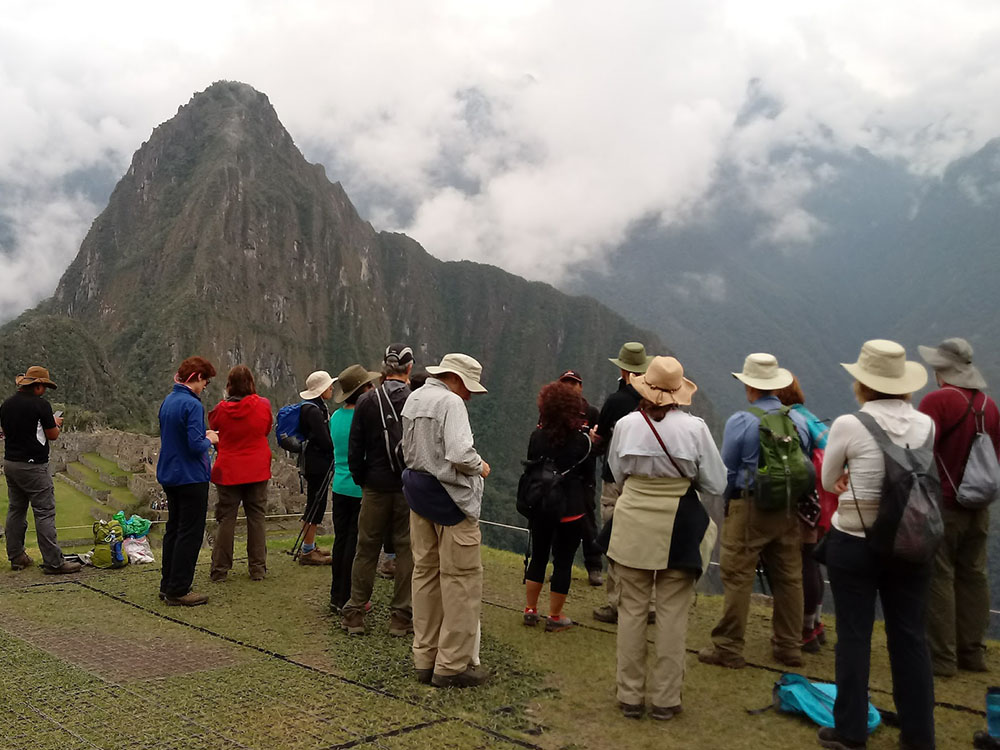
- Drink 2–3 liters of water every day
- Avoid alcohol for 24–48 hours
- Eat light meals
- Walk slowly and take deep breaths
- Sleep well
- If you feel symptoms, tell your guide immediately
Inkaland Treks support
As a high-standard local operator, we provide:
- Personalized acclimatization planning
- Professional guides for all day hikes
- Private transportation for premium acclimatization tours
- Oxygen, first aid kits, and radio communication
- English & Portuguese-speaking assistance
- Safety protocols based on international standards
Start Slow. Trek Strong. Finish Safely
The best treks and climbs — Huayhuash, Santa Cruz, Mateo, Pisco, Salkantay, Ausangate — all depend on one thing:
👉 Proper acclimatization.
Taking the time to adapt will dramatically improve your performance, your safety, and your enjoyment of the Andes.
When your body is ready…
the mountains reward you with the best experience.